Home » Articles posted by Jason Gray (Page 5)
Author Archives: Jason Gray
Happy World Heritage Day
Today, the world celebrates its natural and cultural heritage – at least we can all hope it does. Under the United Nations World Heritage Convention, places of unique cultural and natural beauty, value, and wonder are recognized formally as World Heritage Sites. This list of impressive places is by no means a way of excluding other incredible areas – it is simply one list recognized under international and domestic laws. In 2007, I participated in a legal petition to seek further protection for el Parque Internacional La Amistad, or PILA, a World Heritage Site shared between Panama and Costa Rica. PILA faces threats from development of hydroelectric dams, cattle ranching, roads, and other activities. Communities living on the outskirts of PILA raised the call for help, and their struggle continues to this day. A copy of that 2007 Petition is available here:
- Petition to the World Heritage Committee Requesting Inclusion of Talamanca Range-La Amistad Reserves/La Amistad National Park on the List of World Heritage In Danger (International Environmental Law Project, Lewis & Clark Law School, 2007)
The World Heritage Committee continues to assess this and other petitions. In honor of World Heritage Day, here are a few pictures from PILA.
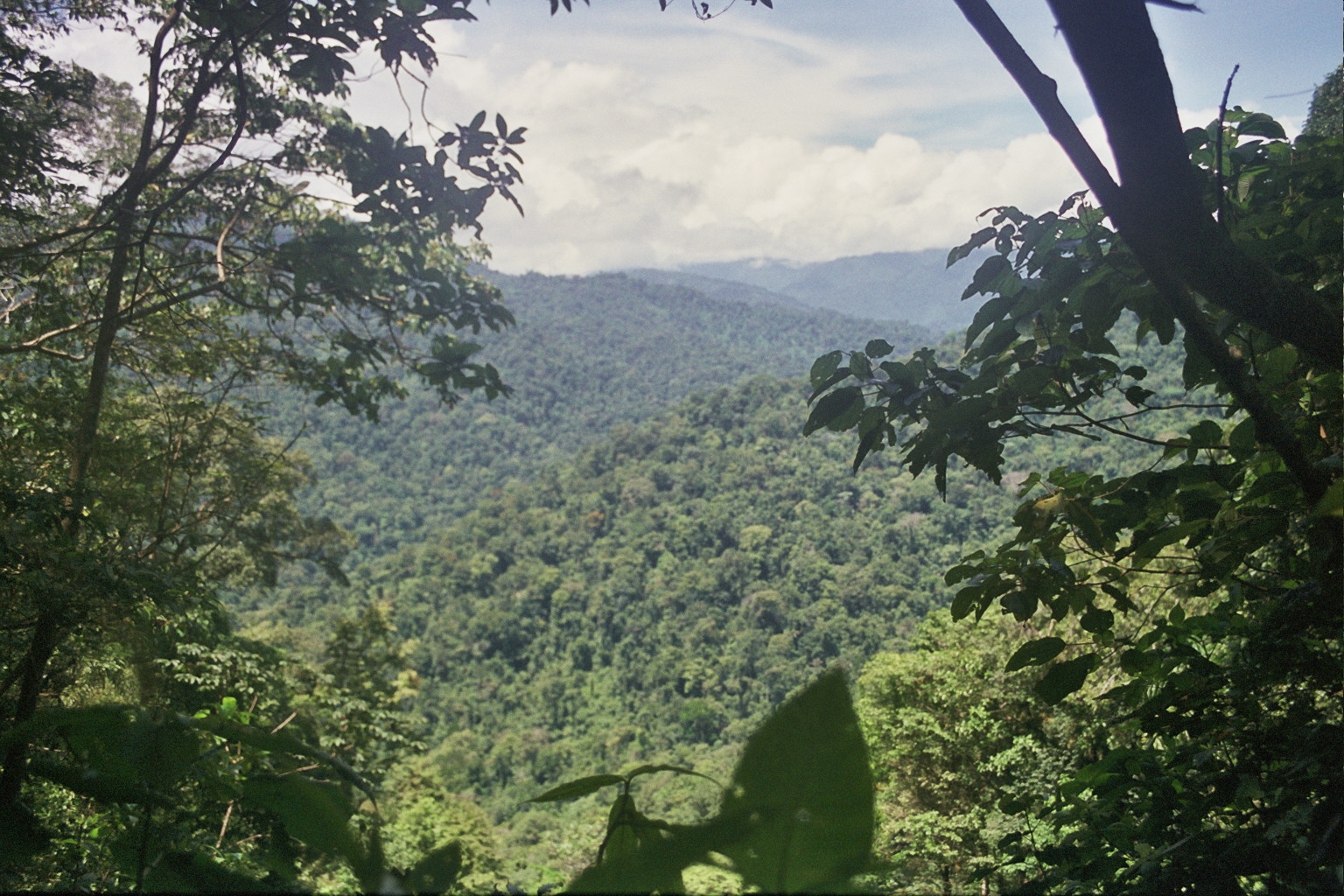
Overlooking Rio Bonyic, on buffer zone of PILA – 2006, Jason Gray
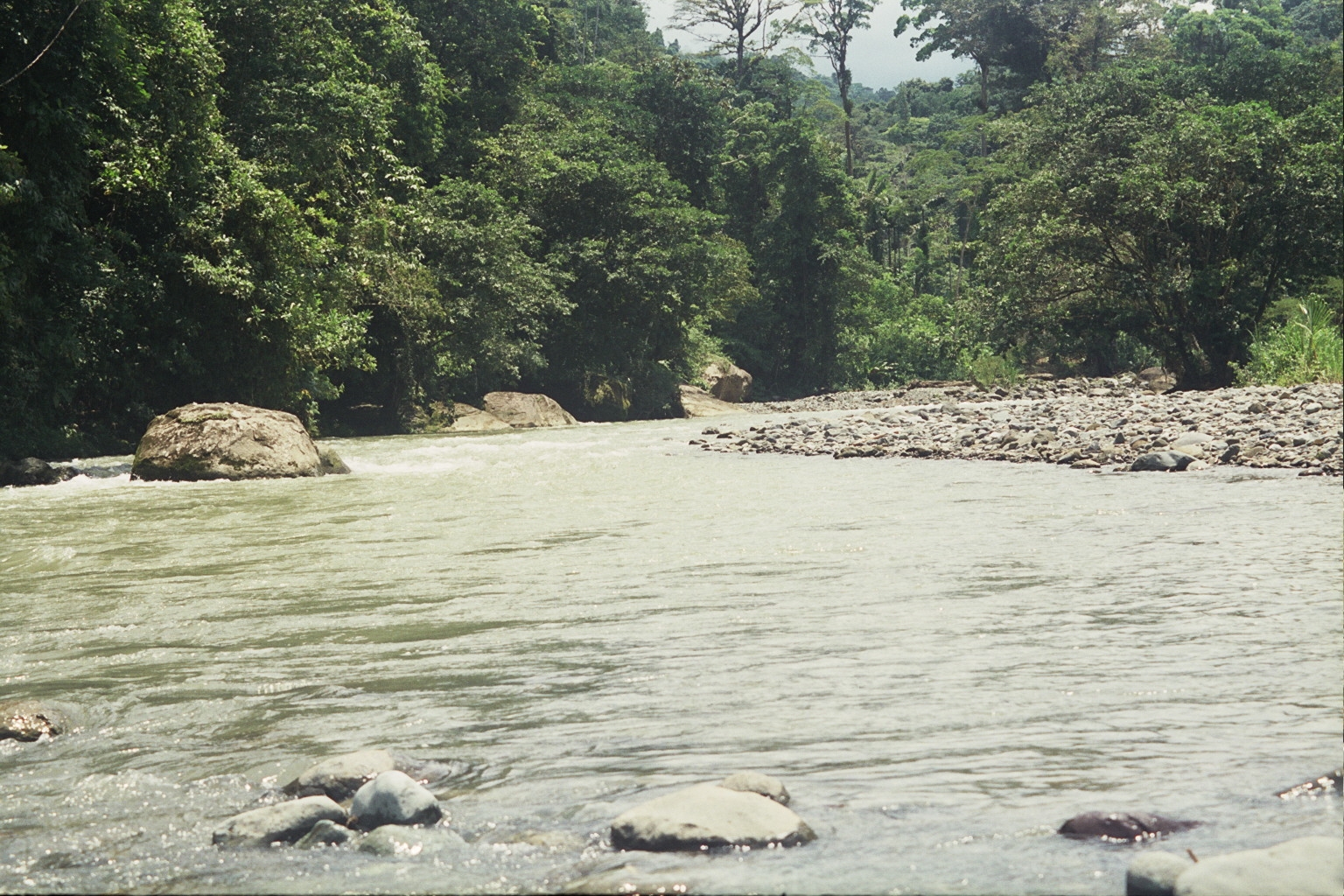
Rio Bonyic, buffer zone of PILA (2006, Jason Gray)
A lion in Gabon (after all these years)
Thought I’d share some exciting news on the wildlife front – a lion has been spotted for the first time in nearly 20 years in Gabon. Researchers earlier this year picked up on a male through the use of camera traps in Bateke National Park. Although this is just one male, and it is unclear if any females are close enough for mating, this news is exciting about the potential for Africa’s biggest cat to once again roam the grasslands of eastern Gabon.
International Day of Forests
March 21 was the International Day of Forests (or World Forests Day). The absolute best way to celebrate our forests, in my humble opinion, is go get out there an enjoy the forests sustainably – take a hike and marvel at the absolute brilliance of a Ponderosa pine or a Douglas fir (if you happen to be in Montana), the majestic grandeur of a Coast Redwood in Northern California, or the heft and authority of a Baobab tree in Senegal; or try to imagine the intricate ties connecting the ecosystem of a temperate rainforest of British Columbia, or the heat and humidity of the lowland tropical rainforests of Gabon or Brazil. These forests sustain us, provide food and livelihood and shelter for millions of people, and recreation and spiritual healing for even more (and that’s not even taking into account the critical role forests play for millions of species of birds and mammals, arthropods, and other plant species!). Suffice it to say, our forests are pretty darn essential to our lives, whether we are aware of that or not.
Another excellent way to celebrate our forests is to learn about them through centuries of literature – from John Muir’s writings to Dr. Seuss’ The Lorax, these ecosystems continue to inspire authors to recount their tales, and in many cases, to seek to provide better protection, management (where necessary), and sustainable thinking about what is more than a mere collection of trees. This inspiration led me to publish Glimpses through the Forests: Memories of Gabon nearly 2 years ago, and it continues to thrill me when I am able to venture out into a forest.
So Happy World Forests Day (a day late), and let’s all pitch in to help conserve, protect, maintain, and enjoy our forests.
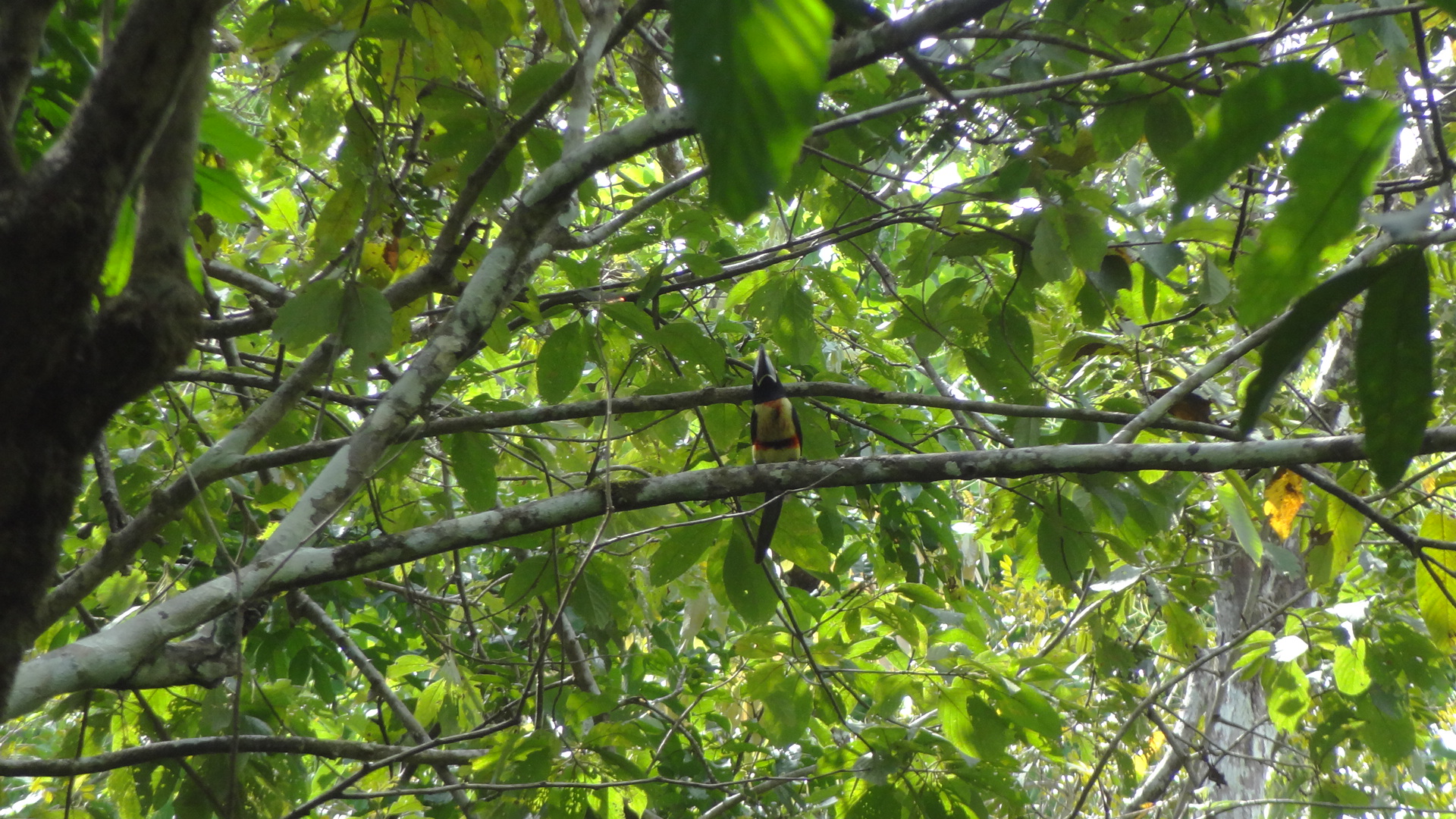
Collared aracari, Soberania National Park, Panama (photo by Jason Gray 2015)
Celebrate World Wildlife Day today!!
With all of the amazing biodiversity on this planet, its worth taking a moment to celebrate the animals we grew up with, the creatures whose habitats need more protection, and to simply enjoy their beauty. Happy World Wildlife Day.
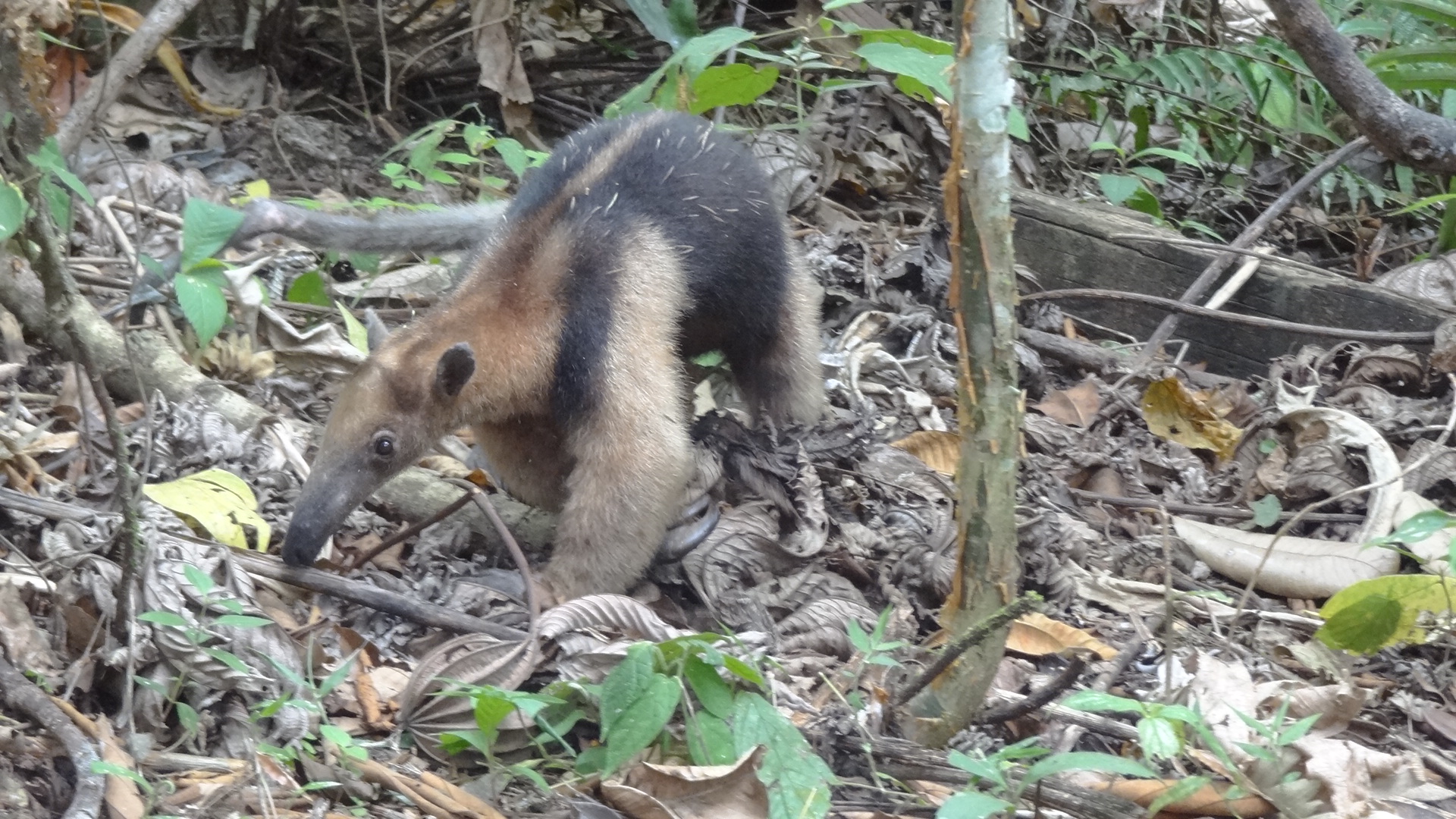
A curious tamandua (Tamandua tetradactyla) at the Rainforest Discovery Center in Panama – Feb. 2015 (photo by Jason Gray)
Interesting study on jurisdictional deforestation efforts
The Nature Conservancy and the World Bank have published an “early lessons learned” overview study of efforts at the subnational jurisdiction scale designed to achieve low emissions rural development and reduce emissions from tropical deforestation and forest degradation. The study itself is available here.
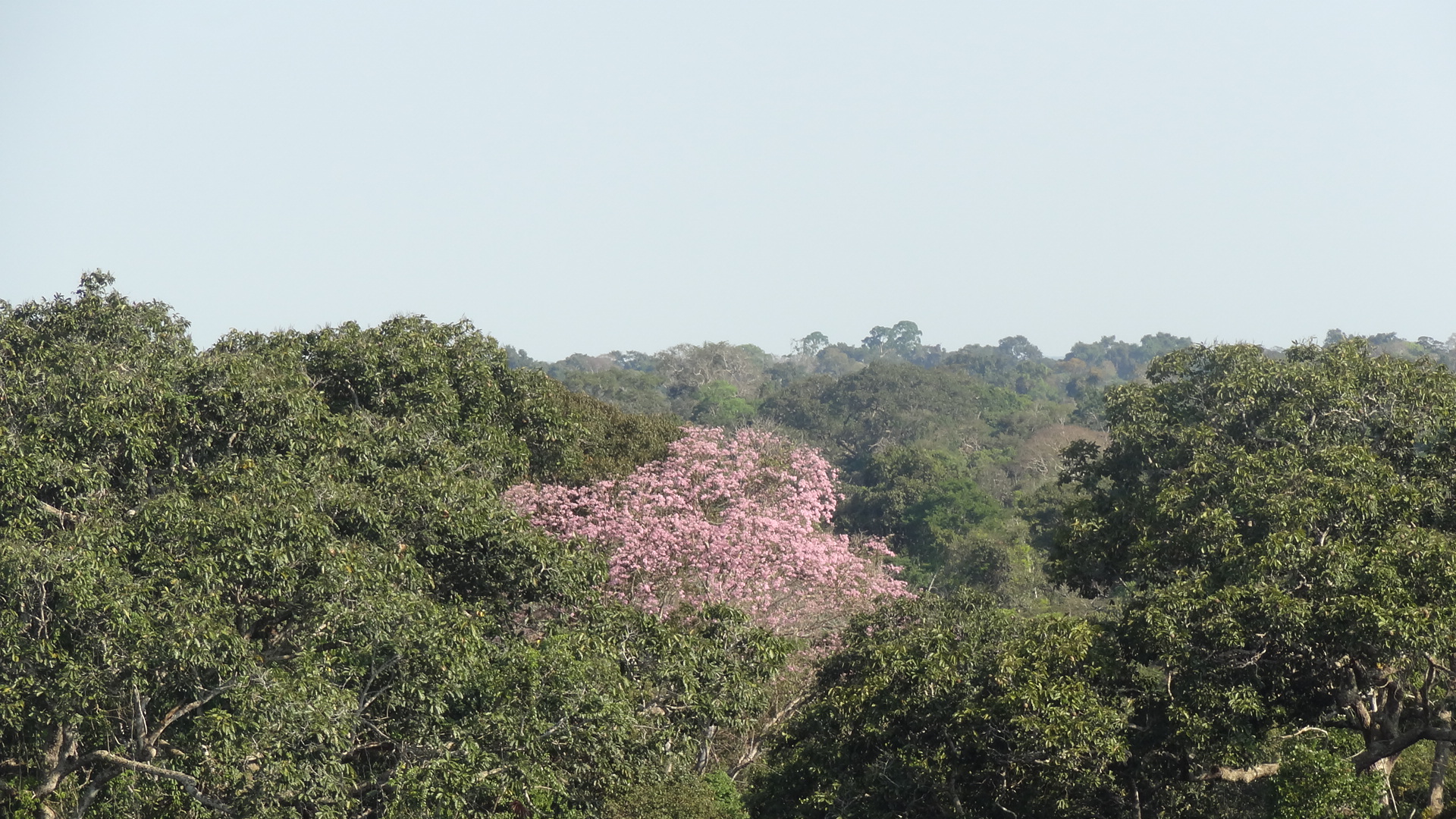
Canopy view in Acre, Brazil – Aug. 2014 (photo by Jason Gray)
Epidemics: human and wildlife
Just a quick commentary on the ebola epidemic: The human tragedy of the ebola outbreak in West Africa highlights the need for enhanced health infrastructure, better coordination and preparation of health aid organizations, and increased education of citizens not only in affected areas, but around the world. Ebola researchers will need help in disseminating their findings, including how the disease affects some of our closest relatives in the animal kingdom. Gorillas and chimpanzees in Central and West Africa are at most immediate risk, as described in a sobering article in the Telegraph. Conservation efforts will need to couple with human health programs to better tackle this pan-species disease.
Rocky Mountain Front Heritage Act Passes!!
Earlier this month, after years of hard work by conservationists, recreationists, outdoors men and women, legislators, and even members of my own family, the Rocky Mountain Front of Montana received greater wilderness protection, adding 67,000 acres to the Bob Marshall Wilderness and designating more than 200,000 acres in the Lewis & Clark National Forest as a Conservation Management Area. My hometown newspaper, the Great Falls Tribune, posted a story here about this significant achievement for Montana and the outstanding heritage in what we call the Crown of the Continent. The Rocky Mountain Front Heritage Act was passed along with other public lands bills, such as legislation to further protect the North Fork of the Flathead River.
Gabon continues conservation leadership with Underwater Reserve!!
This month, Gabon continued its conservation leadership by announcing an underwater protected area covering close to a quarter of the country’s exclusive economic zone. President Bongo announced the designation at the IUCN World Parks Conference in Sydney, Australia. The protected area will exclude commercial fishing, and provide enhanced protection to many marine species, including leatherback turtles, whale sharks, and whales. National Geographic posted a write-up of the announcement here.
Interesting study on predicting how climate change impacts biodiversity
I thought I’d share a quick note about how conservation biologists and others are attempting to study how climate change will impact biodiversity and species distribution. This type of research is essential to developing not only scientific approaches to addressing these impacts, but also to inform policy to better plan for and improve conservation and climate efforts. Specifically, ecologists are developing modeling tools that will hopefully help predict (and mitigate) how climate change will impact species’ ability to adapt to changes. One recent study, highlighted here, utilizes genetic analysis to model and map how certain tree species may react (and move) to climate impacts.
World’s Largest Marine Protected Area Announced by US
Earlier this week, President Obama announced the creation of the world’s largest Marine Protected Area by expanding the Pacific Remote Islands Marine National Monument to cover close to 490,000 square miles! This move marks an important moment in marine conservation, by recognizing the need for increased protection of vulnerable marine species and increasing protection from commercial fishing, mining, and dumping of trash. The official Presidential Proclamation expanding the monument was posted in the Federal Register on September 29, 2014. National Geographic posted a good summary of the action here.
 Writings By Jason Gray